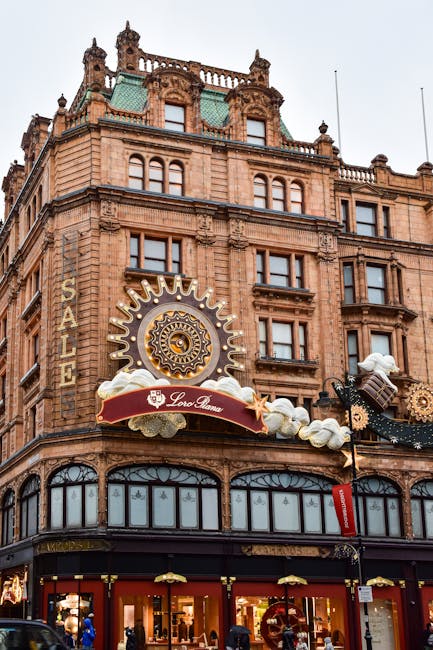
Knightsbridge Harrods area carpet cleaning guide for shops
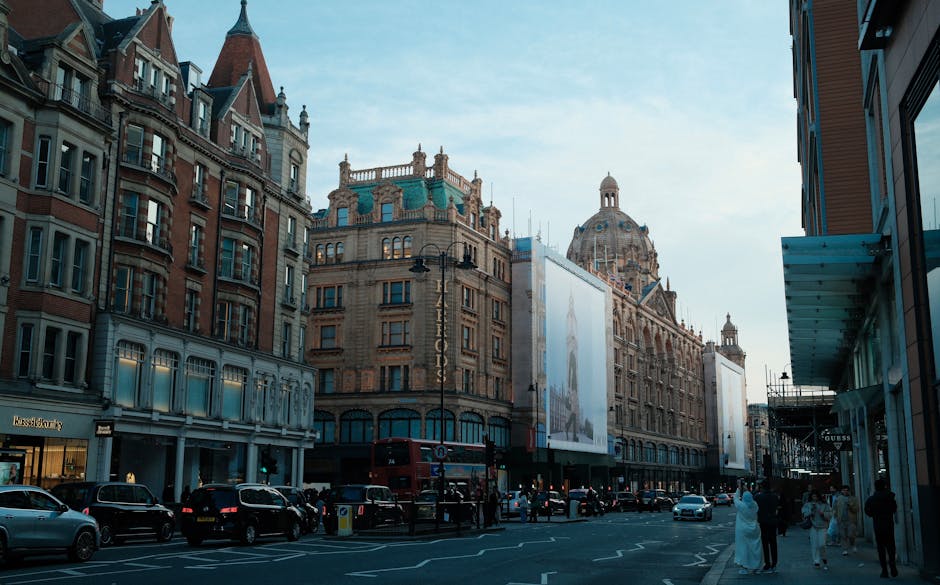
If you run a shop near Harrods, you already know the floor tells a story before anyone speaks. Mud from a wet London morning, coffee marks near the till, fibres flattened by footfall, a little grit from the pavement outside - it all adds up fast. This Knightsbridge Harrods area carpet cleaning guide for shops is here to help you keep that story a good one.
In a place like Knightsbridge, presentation is not a side issue. It affects trust, dwell time, comfort, and how long your carpets actually last. The good news? With the right cleaning plan, you can keep busy retail carpets looking calm, fresh, and far more expensive than the day has been. Let's walk through what matters, what works, and what to avoid.
- Why it matters
- How it works
- Key benefits
- Who needs this
- Step-by-step guidance
- Expert tips
- Common mistakes
- Tools and resources
- Compliance and best practice
- Methods compared
- Real-world example
- Practical checklist
- Conclusion
- Frequently asked questions
Why Knightsbridge Harrods area carpet cleaning guide for shops Matters
Shops around Harrods sit in a very particular environment. You have high visitor numbers, smart interiors, polished branding, and a constant stream of outside dirt coming in from pavements, black cabs, delivery drops, and the weather doing its usual London thing. Carpets in this setting do more than soften a room. They carry first impressions.
A clean carpet makes a retail space feel cared for. A tired one can make the whole shop feel busier, older, or less premium than it really is. That matters whether you sell fashion, gifts, beauty products, specialist goods, or luxury services. Customers may not consciously say, "the carpet looks tired," but they feel it. You will notice it in the mood of the room.
There is also a practical side. Dirt works like sandpaper. It grinds into fibres under shoes and wheels, causing wear in the main walking lines first. In a shop near Harrods, those walking lines can build up quickly because even a modest amount of traffic becomes constant over the day. Regular carpet cleaning is not just about appearance. It is about protecting an asset that is expensive to replace.
Expert takeaway: In busy Knightsbridge retail spaces, carpet cleaning is best treated as part of daily presentation and asset care, not as an occasional deep-cleaning job after the damage is obvious.
There is another reason this topic matters in the Harrods area specifically: expectations are high. Nearby shoppers often notice details others might overlook. A fresh entrance, a neat scent in the air, and carpets without obvious marks can quietly support the whole customer experience. Small things. Big effect.
How Knightsbridge Harrods area carpet cleaning guide for shops Works
Shop carpet cleaning usually works best in layers. Think of it as a system rather than a single service. You combine daily maintenance, spot treatment, periodic deep cleaning, and sensible planning around opening hours. That is what keeps carpets looking presentable without disrupting trading.
For most retail settings, the process begins with inspection. A cleaner should look at fibre type, soil level, stain types, traffic patterns, and any risk areas near entrances, fitting rooms, tills, or stock counters. A carpet in a boutique is not treated the same way as a carpet in a busy convenience-style shop. Different fibres, different pace, different solutions.
The actual cleaning method may vary. Low-moisture systems can be useful when drying time matters. Hot water extraction can be effective for deeper soil removal where the carpet construction allows it. Encapsulation cleaning may suit maintenance schedules in some commercial settings. The point is not to pick a method because it sounds impressive. The point is to match the method to the carpet, the business hours, and the degree of soiling.
In our experience, the best results in retail come from choosing the right balance between visible cleanliness and operational practicality. You do not want a space that smells damp at noon on a trading day. Nor do you want a quick surface clean that leaves the traffic lanes still looking grey a week later. Balance matters. A lot.
Drying time matters too. Shops cannot always shut for long periods, so cleaning plans often need early starts, late finishes, or staged work by area. That is especially true near Harrods, where foot traffic and delivery timing can be tight. Sometimes the simplest answer is scheduling around quieter windows, even if it means a slightly unusual hour. Early morning often works well. Very early, sometimes. Yes, the coffee helps.
Key Benefits and Practical Advantages
Good carpet cleaning in a shop is not just a cosmetic lift. It creates several practical advantages that are easy to miss if you only look at the surface.
- Better first impressions: Customers entering a tidy, fresh shop are more likely to feel comfortable and take the space seriously.
- Longer carpet life: Regular soil removal reduces fibre wear and delays replacement.
- Improved stain control: Fast spot treatment prevents marks from setting deep.
- Reduced odours: Food, footfall, damp shoes, and everyday retail activity can create lingering smells if carpets are ignored.
- Cleaner overall environment: Dust and debris trapped in carpets can affect the feel of the whole room.
- More predictable maintenance: A planned cleaning routine is cheaper and easier than emergency recovery work.
There is also a subtle commercial benefit. In retail, neatness supports confidence. If customers see care in the carpet, the shelving, the glass, and the till area, they are more likely to trust the brand. That does not mean every carpet has to look brand new every day. It means the condition should feel intentional, not neglected.
For multi-zone shops, carpet cleaning can also help with zoning. A clean entrance matting area, for example, gives a clearer transition into the main floor. Staff notice this too. It changes how the space feels at the start of the day and at close, which is one of those small operational details people rarely mention but always appreciate.
Who This Is For and When It Makes Sense
This guide is especially relevant if you manage or own a shop, boutique, showroom, or customer-facing commercial space in or around Knightsbridge and Harrods. It also makes sense for people responsible for building presentation, leasehold upkeep, or a retail unit with carpeted floors that see regular foot traffic.
You may need a stronger carpet cleaning plan if any of the following sound familiar:
- your entrance area darkens quickly from street soil
- you see repeated marks near tills, fitting rooms, or display tables
- the carpet looks dull even after vacuuming
- there are odours after rainy days or busy trading periods
- you have seasonal peaks and the shop becomes noticeably busier at certain times
- you need cleaning outside trading hours and must keep disruption low
It is also useful when you are preparing for something specific: a product launch, a new season reset, a refurbishment, a lease inspection, or a client visit. In those situations, carpet condition can suddenly matter more than usual. Truth be told, it often becomes one of the last details people notice only because it is so easy to get wrong.
If your business has carpets in customer areas and staff areas, the cleaning approach may differ between them. Front-of-house usually needs more frequent presentation-led cleaning. Back-of-house may need more practical stain and soil management. Both matter, just in slightly different ways.
Step-by-Step Guidance
Here is a clear way to plan carpet cleaning for a shop in the Harrods area without overcomplicating it.
- Assess the carpet properly. Check material, pile type, high-traffic lanes, visible stains, and any previous cleaning issues. Wool, synthetic, and blended carpets can behave differently.
- Identify the main problem areas. Most retail carpets do not soil evenly. Entrances, service counters, tills, fitting rooms, and display routes usually need the most attention.
- Choose the right method. Match the cleaning method to the carpet and the trading schedule. Fast-drying options are often useful in retail environments.
- Vacuum thoroughly before wet cleaning. Dry soil should be removed first. Otherwise you are just turning grit into sludge, which is never the goal.
- Pre-treat stains and traffic lanes. Spot treatment and pre-spray help loosen built-up dirt in the busiest zones.
- Clean in sections. For shops, it is often best to work by zone so the whole store is not unusable at once.
- Control moisture. Too much water can create slow drying, smell, or re-soiling. Controlled application matters more than people think.
- Use airflow to speed drying. Open the room up where safe, use ventilation, and keep the area protected until dry.
- Check the result in daylight and artificial light. A carpet can look fine under one light source and patchy under another. You notice it at 9am, not just at 9pm.
- Put a maintenance cycle in place. Repeat cleaning before grime becomes visible again, rather than waiting for a crisis.
A sensible schedule often includes daily vacuuming, quick spot cleaning as needed, and periodic professional deep cleaning depending on footfall. Busy shops may need more frequent intervention. Smaller or lower-traffic retail spaces may be able to stretch the intervals a little further. The right pace depends on use, not guesswork.
Expert Tips for Better Results
A few small habits make a surprisingly big difference in a retail setting. These are the sort of things that separate decent results from consistently good ones.
- Use entrance control. Good entrance matting reduces the amount of grit reaching the carpet in the first place.
- Treat spills immediately. Coffee, cosmetics, food, and rainwater all behave differently. The faster you act, the better.
- Keep a stain log. If a mark keeps returning, you may be dealing with residue, not just a one-off spill.
- Test on a hidden spot first. That is basic but worth saying. Retail carpets can react unpredictably.
- Avoid over-wetting high-value carpets. More water is not more clean. Usually it is just more drying time.
- Rotate cleaning around trading patterns. If one area gets hammered at lunch and another in the evening, plan accordingly.
Another good tip: make carpet care part of opening and closing routines. Staff do not need to become cleaning specialists, of course, but they should know what to flag. A small spill picked up at 10:15 can save a permanent mark by 4:00. Simple as that.
And here is a slightly old-school but useful idea: walk the floor as if you were a customer. Slower. Less familiar. You will catch things your daily routine has trained your eyes to ignore.
Common Mistakes to Avoid
Most carpet problems in shops do not come from one dramatic failure. They build up through repeated small mistakes.
- Waiting too long to clean: Once dirt has settled deeply, the cleaning becomes harder, slower, and less even.
- Using the wrong chemical: Strong products can damage fibres, leave residue, or alter colour.
- Cleaning only what is visible: Surface touch-ups without proper maintenance leave the deeper soil behind.
- Ignoring drying time: Damp carpets can attract dirt again and create a stale feel.
- Over-scrubbing stains: That can roughen fibres and spread the mark wider.
- Skipping vacuuming before wet cleaning: This is a classic. Not glamorous, but important.
- Assuming all carpets respond the same way: They really do not.
One common retail mistake is cleaning too late in the day and then reopening too soon. The carpet may look done, but the fibres are still damp underneath. Customers notice the slight smell. Staff notice the tacky feel. It is one of those invisible problems that becomes obvious very quickly.
Another mistake is treating the entrance as the only dirty area. The entrance is important, yes, but so are the walk lines to fitting rooms, tills, counters, and anywhere staff turn repeatedly in the same place. Dirt follows behaviour.
Tools, Resources and Recommendations
You do not need a warehouse of equipment to manage retail carpet cleaning well, but the right tools help a lot.
| Tool or resource | What it helps with | Why it matters in a shop |
|---|---|---|
| Commercial vacuum cleaner | Daily soil removal | Removes grit before it grinds into the pile |
| Spot-cleaning kit | Quick response to spills | Helps prevent permanent staining |
| Microfibre cloths and absorbent towels | Initial spill control | Useful for coffee, water, cosmetics, and general blotting |
| Entrance matting | Soil capture at the door | Reduces daily wear on the carpet |
| Air movers or strong ventilation | Drying support | Helps minimise downtime |
| Professional commercial carpet service | Deep cleaning and restoration | Best for periodic refreshes and heavier soil |
If you need related services for the wider shop environment, it can be sensible to coordinate them rather than tackling everything separately. For example, some businesses pair carpet care with office cleaning for staff areas or add upholstery cleaning when seating, banquettes, or customer chairs also need attention. In premises that have hard-wearing transition zones, hard floor cleaning can help keep the overall presentation consistent.
If the shop has recently been refurbished or had fit-out work, you may also benefit from a more intensive clean. In that case, a service such as after builders cleaning can be relevant before the regular carpet routine starts again.
Law, Compliance, Standards, or Best Practice
For shop carpet cleaning, the most important point is straightforward: work safely, plan sensibly, and keep the premises usable without creating avoidable hazards. UK businesses generally need to manage workplace safety risks sensibly, and that includes wet floors, cables, restricted access, cleaning product handling, and slip prevention.
That means clear signage where needed, sensible timing, suitable ventilation, and careful product use. If cleaning takes place while staff or customers are present, the area should be controlled properly. That may sound obvious, but in a busy retail strip, it is the small details that go wrong first.
It is also good practice to:
- keep cleaning records for planned maintenance
- store chemicals safely and label them clearly
- follow product instructions rather than improvising
- use appropriate PPE where needed
- confirm drying and access procedures before reopening the area
Businesses that care about their wider operational standards may also want to review provider policies. For example, a reputable cleaning company should be able to explain its approach to insurance and safety, and it should be transparent about its health and safety policy. If you are comparing suppliers, it is fair to ask how they handle access, risk, and downtime. That is not overcautious. It is just sensible business.
Where sustainability matters to your brand, ask how waste water, product choice, and equipment use are handled. A provider with a sensible recycling and sustainability approach may be a better fit for some retail settings, especially those trying to reduce unnecessary waste.
Options, Methods, or Comparison Table
Different cleaning methods suit different shop carpets. There is no one-size-fits-all answer, and that is probably the most honest place to start.
| Method | Best for | Strengths | Trade-offs |
|---|---|---|---|
| Hot water extraction | Deeper soil, periodic restorative cleans | Strong clean on many commercial carpets | Longer drying time, needs planning |
| Encapsulation | Regular maintenance in busy retail areas | Faster drying, useful for routine upkeep | May not suit severe staining alone |
| Low-moisture cleaning | Shops needing minimal downtime | Less disruption, quicker return to use | May need more frequent scheduling |
| Spot and stain treatment | Specific marks and spill incidents | Quick response, targeted action | Not a substitute for full cleaning |
If you are unsure which route is best, think in terms of business rhythm. A shop with constant flow may prefer a faster-drying maintenance method between deeper cleans. A quieter boutique may be able to schedule a more thorough process after hours. Both are valid. It depends on the space, the carpet, and how much room you have to breathe.
Case Study or Real-World Example
Here is a realistic example from a shop-floor scenario, without pretending it was some dramatic rescue mission. A small fashion retailer near Knightsbridge had a pale carpet in the main customer area. It looked fine in the morning, but by late afternoon the traffic lanes were visibly darker, especially near the entrance and changing rooms. Staff had been vacuuming, but the carpet still looked tired.
The first step was identifying where the soil was coming from. Rainy-weather footfall was the biggest issue, followed by repeated turning at the fitting-room entrance. Instead of treating the carpet as one uniform surface, the business split the cleaning approach into zones. The entrance area got more frequent attention. The centre floor was maintained on a different schedule. Stain response kits were kept behind the counter.
A faster-drying commercial method was used for regular maintenance, with deeper cleaning planned outside trading hours. That reduced downtime and made the carpet look brighter without interfering with customer flow. Nothing magical. Just a practical system done consistently.
The bigger lesson? Most shops do not need a dramatic overhaul every time. They need a sensible plan that matches the amount of traffic, the carpet type, and the pressure of the trading day. Once that is in place, the whole shop feels calmer. Honestly, calmer is underrated.
Practical Checklist
Use this checklist before and after a carpet clean in a Knightsbridge or Harrods-area shop.
- Have the main soil areas been identified?
- Has the carpet type been checked?
- Have stains been pre-treated safely?
- Is the method suitable for the carpet and trading hours?
- Have staff been told which areas are out of use?
- Are wet-floor risks controlled?
- Is ventilation available for drying?
- Has the carpet been allowed enough time to dry fully?
- Has the result been checked in normal lighting?
- Has a repeat maintenance schedule been set?
Quick summary: In a busy retail setting, the smartest carpet cleaning plan is the one that protects the customer experience, reduces wear, and fits the rhythm of the shop without fuss. Not glamorous, maybe. Very effective, though.
For shops comparing service providers, it can also be helpful to review general business information pages such as about us, pricing and quotes, and complaints procedure so you understand how the company works before booking. If you need to speak directly with a team, you can also use the contact us page.
Get a free quote today and see how much you can save.
Conclusion
A shop near Harrods has a lot to lose if the carpet looks neglected, and quite a lot to gain when it looks properly cared for. The right cleaning plan keeps the floor looking sharper, helps carpets last longer, and supports the polished feel customers expect in Knightsbridge.
The key is not to chase perfection for its own sake. It is to build a reliable routine: sensible vacuuming, quick spill response, regular deeper cleaning, and a method that suits your trading pattern. Once that rhythm is in place, carpet care becomes much easier to manage. Less stressful too.
If you take one thing from this guide, let it be this: in a premium retail area, clean carpets are not background detail. They are part of the shop experience, and customers absolutely feel the difference.
Frequently Asked Questions
How often should a shop in the Harrods area clean its carpets?
It depends on footfall, carpet type, and where the carpet is located. High-traffic entrances and customer routes often need more frequent vacuuming and periodic professional cleaning than quieter back-of-house spaces.
What is the best carpet cleaning method for retail shops?
There is no single best method for every shop. Fast-drying maintenance methods work well for busy trading environments, while deeper restorative cleaning may be better at quieter times or for heavier soil build-up.
Can carpet cleaning be done outside opening hours?
Yes, and in many shops that is the preferred option. Early morning or late evening appointments are often easier because they reduce disruption and give carpets enough time to dry properly.
How do you stop carpets in shops from getting dirty so quickly?
Good entrance matting, regular vacuuming, immediate spill response, and a sensible rotation of cleaning zones all help. The goal is to stop soil from settling deep into the fibres in the first place.
Are pale carpets a bad idea for shops near Harrods?
Not necessarily, but they do need more disciplined upkeep. Pale carpets can look elegant and premium, yet they show traffic and staining faster, so cleaning schedules need to be tighter.
What should staff do after a spill on the carpet?
Blot the spill carefully, avoid rubbing, and use the correct spot-cleaning process for the substance involved. Quick action usually makes a big difference, especially with drinks, makeup, or food marks.
Will carpet cleaning disrupt customers?
It can, if it is not planned properly. Good scheduling, clear signage, and controlled drying reduce disruption. In busy retail spaces, planning matters almost as much as the cleaning itself.
How long does a shop carpet usually take to dry?
Drying time varies by cleaning method, ventilation, pile type, and how much moisture was used. Faster-drying methods are often chosen for retail because they help the shop return to normal more quickly.
Do shops need professional carpet cleaning or can staff do it all?
Staff can handle vacuuming and minor spill response, but periodic professional cleaning is usually needed for deeper soil, traffic lanes, and overall appearance. It is the difference between maintenance and restoration.
What if the carpet keeps looking dirty even after cleaning?
That can happen if there is residue left behind, if the wrong method is being used, or if the carpet is being re-soiled quickly from the entrance area. A review of the cleaning process and traffic control usually helps.
Is carpet cleaning important for luxury retail brands?
Very much so. In premium retail, presentation is part of the brand experience. Clean carpets support the feeling of quality, calm, and care that customers often expect before anyone even speaks to them.
How do I choose a carpet cleaning provider for a shop?
Look for a provider that understands commercial traffic, offers practical scheduling, and can explain safety, drying, and product choices clearly. It also helps if they can coordinate with other cleaning needs across the premises.